
KINDERGARTEN EDUCATION PROGRAM
The first stage in the Camellia School journey.
Camellia School builds a solid foundation in the first 5 years of life — the critical period for character and life skills — nurturing confident, responsible global citizens.
We connect the neural network between the "Thinking Brain" and "Emotional Brain", fostering thinking and emotional intelligence together in a safe, caring, internationally standard environment.
Programs by age group
Curriculum Framework Kindergarten
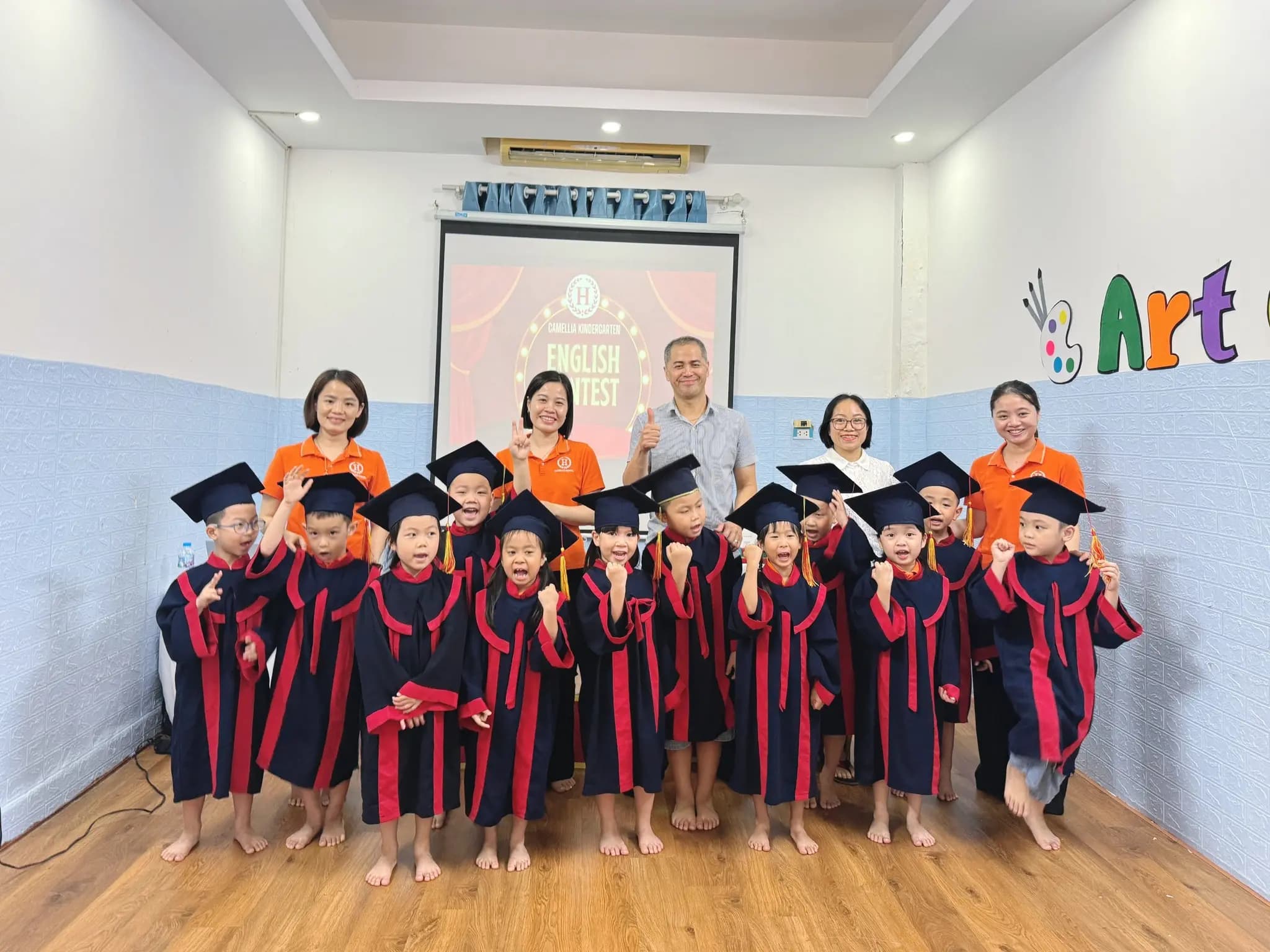
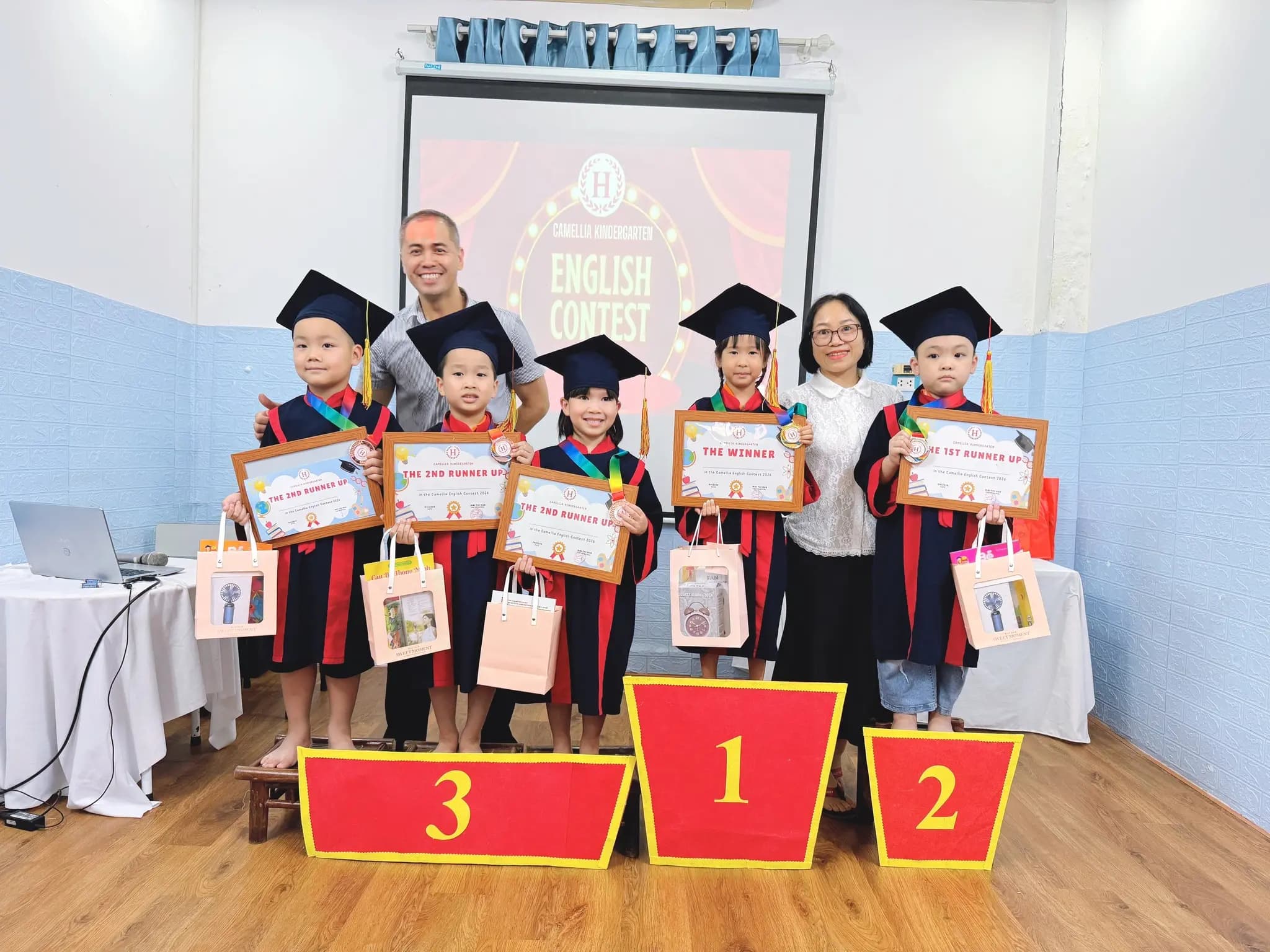
Communication & Language (bilingual)
A Vietnamese–English bilingual setting with daily stories, songs, and conversation. Children build vocabulary, listening and speaking skills, and pre-literacy in a language-rich classroom.
Educational methods
Every play activity is purposefully designed so children absorb knowledge naturally through daily exploration, discovery, and interaction.
Teachers track each child's progress and adapt activities and learning goals to match their individual developmental pace.
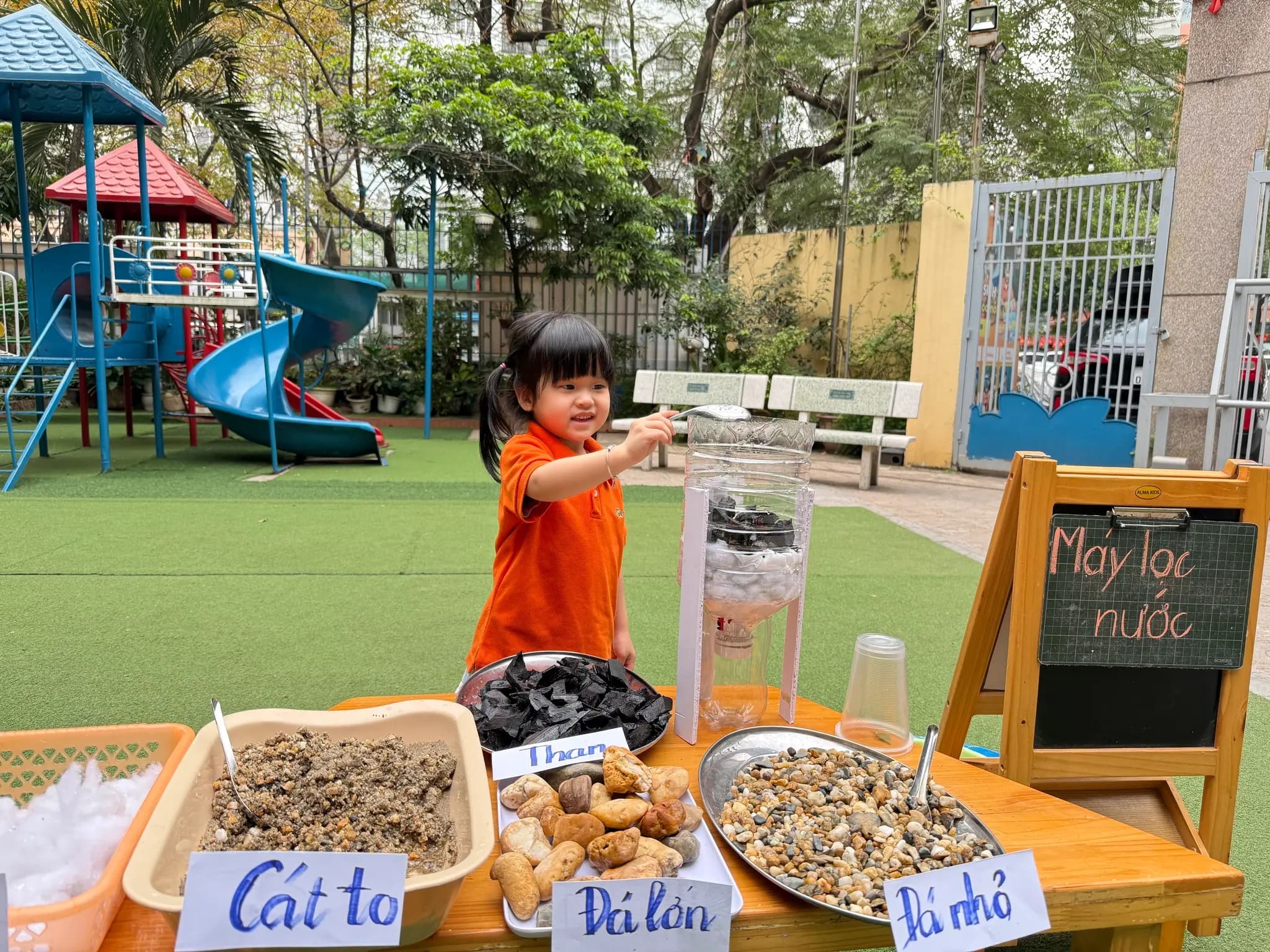
The classroom encourages children to ask questions, experiment, and explore on their own — nurturing a love of learning from the earliest years.

Application of 5 Montessori areas
Senses
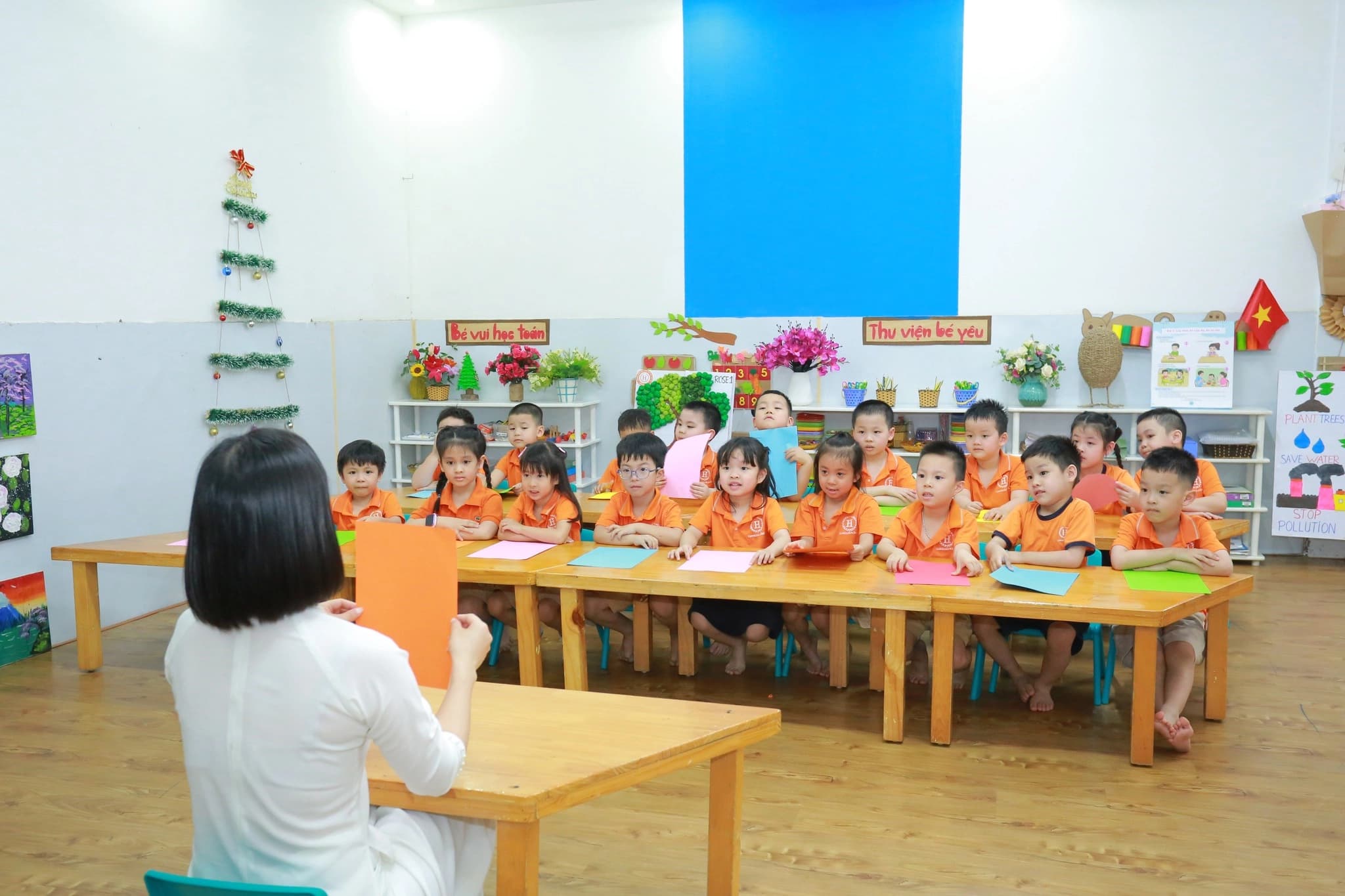
Children explore the world through activities that refine colour, size, shape, sound, and texture. Montessori sensorial materials build focus, hand–eye coordination, and careful observation.
Language training
Camellia builds a Vietnamese–English bilingual environment from early years: children encounter language naturally through play, stories, songs, and daily conversation — with emphasis on communication and enjoyment rather than rote memorization.
English periods
20 periods/week
10 with native-speaking teachers + 10 practice sessions (small groups, role-play, and listening–speaking activities).
Class size
20–24 children per class
Smaller classes let teachers know each child and group flexibly by level and language development pace.
Curriculum
Cambridge Pippa and Pop (ages 3–6)
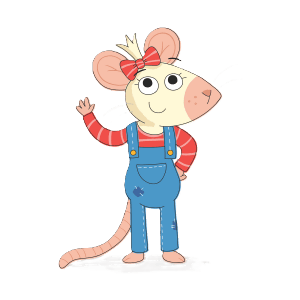
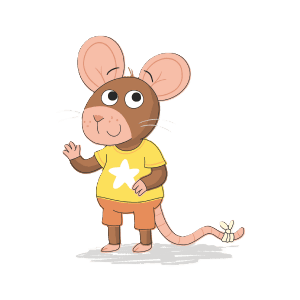
Cambridge University Press’s Pippa and Pop program for early years uses familiar characters, everyday themes, and multi-sensory activities suited to developing brains — building vocabulary, pre-literacy, and confident communication before primary school.

Programs by age group (3–6 years)
Seed group
3–4 years
- Listening comprehension, fine motor skills
- Hand-eye coordination, understanding simple commands
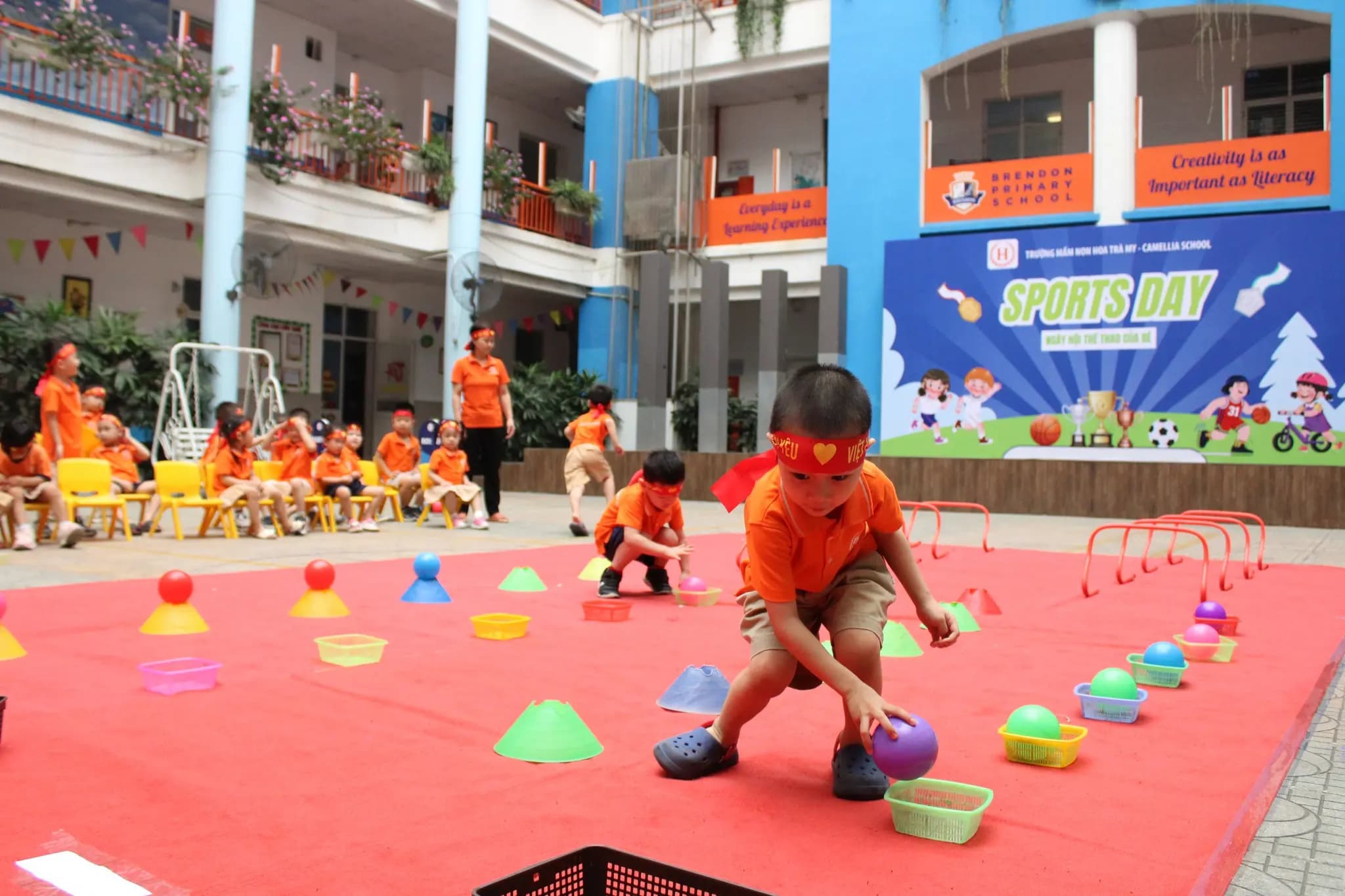
- Sport Day: Chicks passing the ball
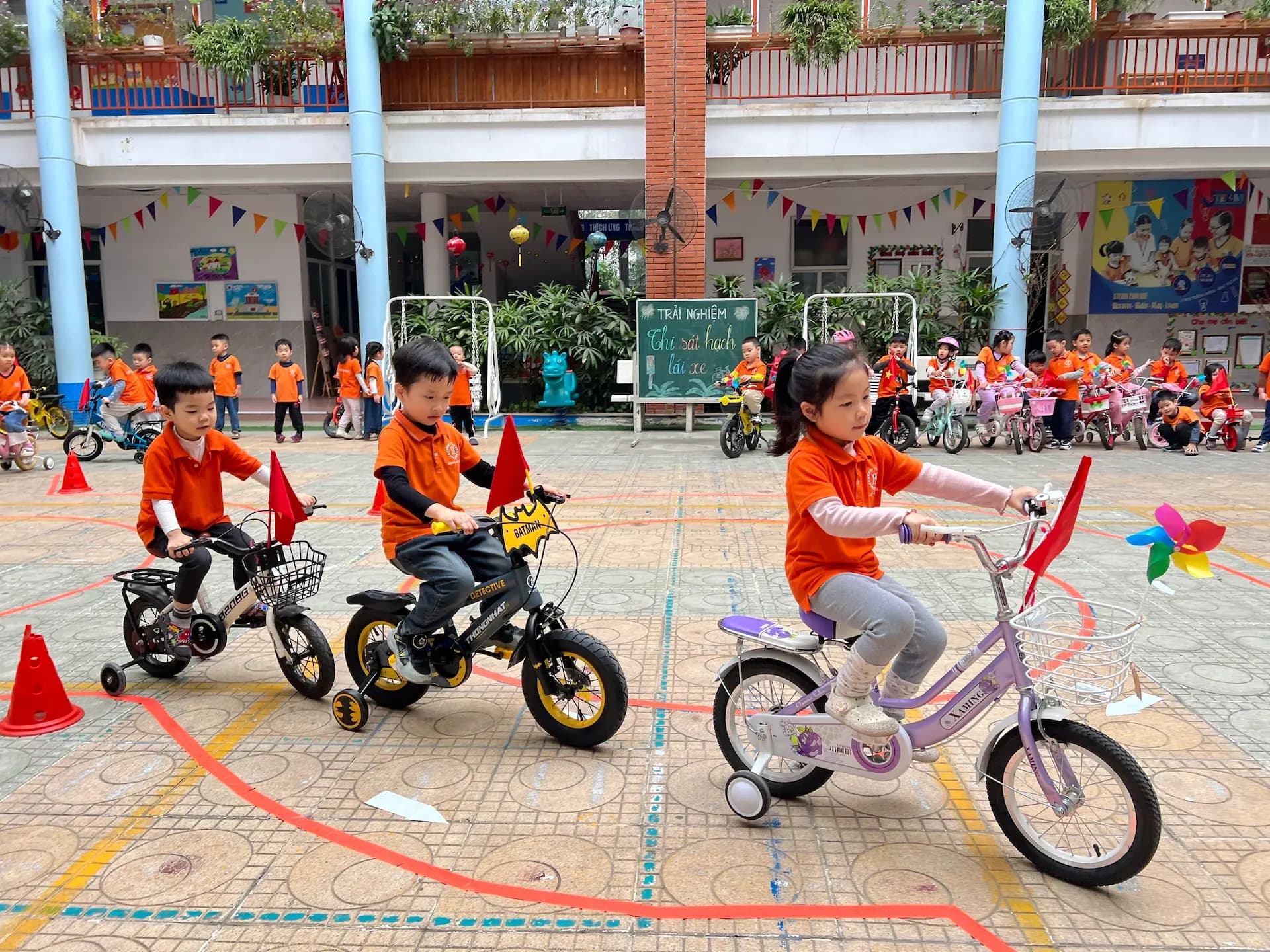

Sprout group
4–5 years
- Confident communication
- Pippa and Pop L2 Cambridge standard
- Phonics — letter and sound recognition
- Sport Day: Mini Sasuke race track
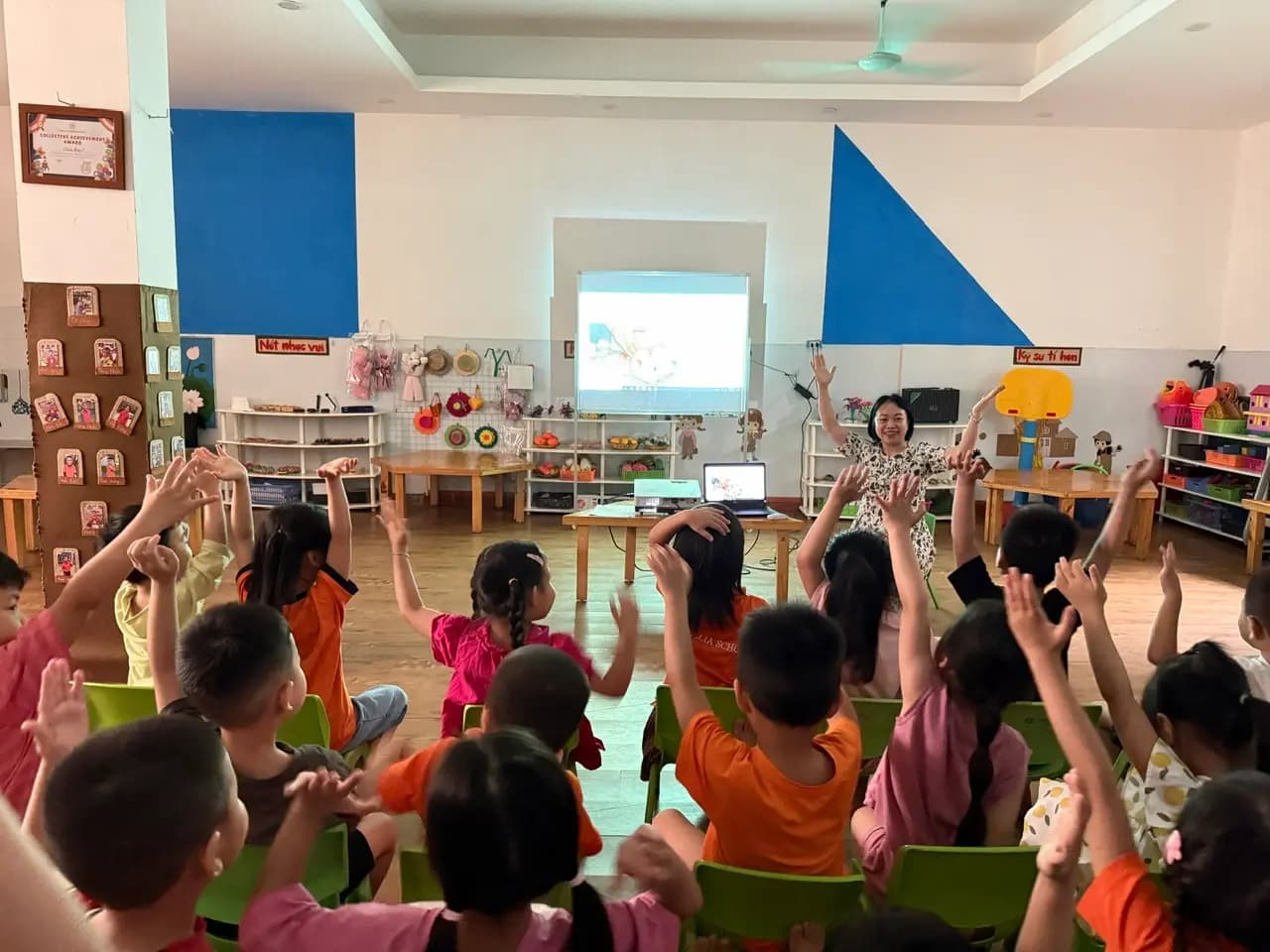

Leaf group
5–6 years
- Pre-primary preparation
- Pre-A1 Starters
- Math & Science: counting to 200; "Magic Wand" experiment
- Healthy Life project — baking, making tea
Program time allocation: Kindergarten
- 50% — English (100% foreign teachers)
- 10% — Arts: music, dance, fine arts
- 10% — STEM: science, technology, engineering, math
- 10% — Life skills
- 10% — Physical education
- 10% — Exploration & experiential learning
SPECIALIZED SEGMENT: NURSERY GROUP
Solid foundation — Dedicated care
| Criteria | 12–24 months | 24–36 months |
|---|---|---|
| Educational focus | Senses & Movement: Stimulate flexibility and recognize the world through the senses. | Language & Independence: Build basic vocabulary and autonomous daily routines. |
| Equipment & facilities | Safe foam mats, walking handrails, large wooden bead threading toys, basic colored blocks. | "Life Practice" corner with simulated items, personal lockers, separate dining trays for practice. |
| Self-service skills | Practice coordinating with the teacher when dressing; practice holding a spoon; practice drinking water from a cup. | Self-feeding; putting toys away in the designated place; getting used to going to the toilet on time. |
| Physical activities | Practice walking steadily; bouncing to music; playing with modeling clay to develop hand muscles. | Climbing stairs with handrails; participating in gentle relay physical games. |
| Nutrition regimen | Pureed or finely chopped food. Priority for snacks rich in calcium, milk whey, and fruit. | Food cut into small pieces to practice chewing and swallowing skills. Diverse weekly menu. |
| Medical care | Closely monitor monthly growth charts; regular ear–nose–throat checks. | Periodic health check-ups; monitoring hand-foot-mouth hygiene routines; disinfecting toys. |
Program time allocation: Nursery
- 50% — Care and education
- 10% — English immersion (100% foreign teachers)
- 10% — Arts: music, dance, fine arts
- 10% — Support activities and outdoor play
- 20% — Physical education